Crisis in Metallurgy Threatens Industrial City Budgets and Jobs — Analysis
Production cuts in Ukraine's mining and metals sector are causing tax revenue shortages and threatening local community funding.
 💼Economy
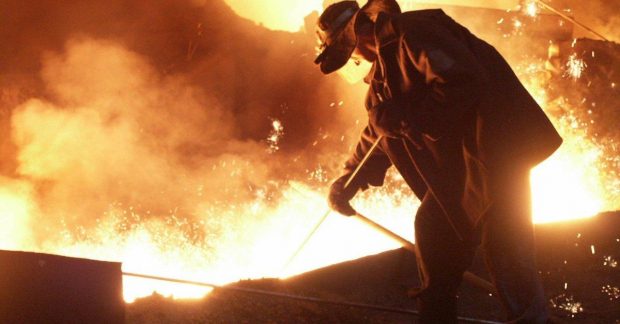
Photo: UNIAN
Key points
- Production drops in metallurgy lead to tax deficits and job losses.
- Leading steelmakers record significant declines in tax payments over three quarters.
- Industrial cities are forced to sequester budgets and cancel infrastructure projects.
- The crisis has a cascading effect, impacting transport, energy, and small businesses.
The ongoing crisis in Ukraine's metallurgy sector is transcending narrow industry boundaries to become a systemic threat to public and local finances. Due to continuous shelling, logistical hurdles, restrictions in foreign markets, and electricity deficits, GMK enterprises are forced to reduce output, inevitably triggering a chain reaction throughout the economy.
Cascading Effect on Budgets and Employment
According to industry analysts, leading companies in the country are already showing significant drops in tax payments. Specifically, over the first three quarters of the year, Metinvest reduced its budget contributions by 6%, while VAT revenues plummeted by 36%. The Dneprovsky Metallurgical Plant experienced an even steeper decline, with payments dropping by 46%. Even plants that previously maintained stability, such as ArcelorMittal Kryvyi Rih, are preparing for downturns due to capacity shutdowns.
This trend directly impacts industrial cities and regions where local budgets heavily depend on personal income tax, land fees, and other collections from big business. Local authorities in such centers are already forced to resort to budget sequestering and freezing infrastructure projects, redirecting funds toward basic survival rather than development.
Consequences for Regional Economy and Social Sphere
Production cutbacks at mining and metals complexes automatically diminish orders for related sectors, including energy, rail transport, engineering, and services. Lower household incomes lead to declining purchasing power, which harms small businesses and retail trade.
For residents of industrial communities across the Dnipro region, these nationwide trends translate into risks for municipal stability, social program funding, and overall economic activity. A shrinking tax base inevitably restricts communities' abilities to implement recovery projects and co-finance international initiatives.
Source UNIAN — unian.ua/society/kaskadniy-efekt-padinnya-virobnictva-u-metalurgiji… ↗
Read next
 🚨Events
Prolonged Business Trips of War Museum Director: Public Scrutiny Over Yuriy Savchuk's Travels
Public activists have raised concerns regarding the necessity and duration of foreign trips taken by Yuriy Savchuk, Director of the National Museum of the History of Ukra…
 🚨Events
Enemy Drone Debris Falls in Three Kyiv Districts, Causing Damage and Injuries
Falling debris from downed drones in Kyiv has caused damage to a residential building, vehicles, and a critical infrastructure facility, resulting in reported injuries.
 🛡️Security
Defense Ministry: Ukraine has liberated more territory than the enemy captured over the last two months
Defense Minister Yevhenii Khmara reported on recent frontline successes and the record-breaking losses of the Russian army in October.
 🛡️Security
Kremlin’s Nuclear Blackmail: Dmitry Medvedev Threatens Ukraine with Preemptive Strike
Russia's Security Council Deputy Chairman outlined conditions for using nuclear weapons, including the transfer of Western nuclear tech to Ukraine or large-scale disaster…
 🇺🇦Ukraine
European Commission prefers multilateral format for talks with Russia
The European Commission has received an invitation from the Russian side to Moscow but insists on conducting dialogue in a broad international format.
 🧠AI Analysis
Three Strategic Lessons of War: AFU Commander-in-Chief Outlines New Security Doctrine in Halifax
At the Halifax International Security Forum, Oleksandr Syrskyi called for a global overhaul of defense systems and rapid military technological integration.