Microplastics Found to be Chemically Active: New Insights into Health Impacts
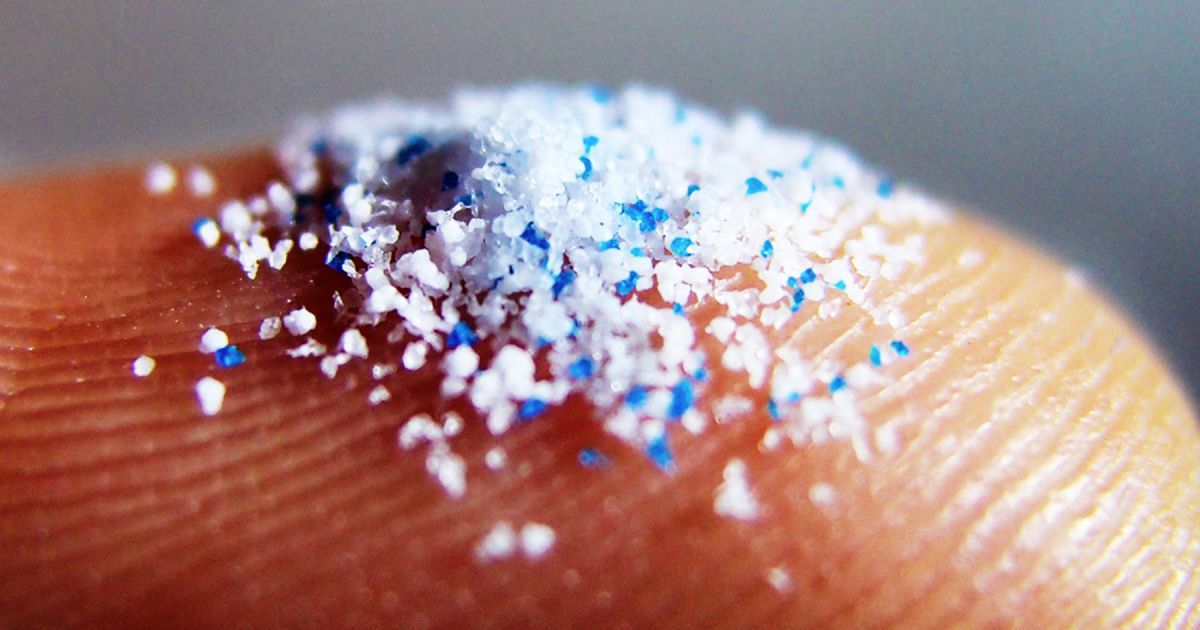
Scientists have discovered that microplastics in water can trigger dangerous chemical reactions that may damage living cells.
 🎓Education
Photo: TSN
Key points
- Microplastics generate reactive oxygen species in water
- Polyethylene and polypropylene are the most active types
- Heating plastic accelerates the release of dangerous particles
- Chemical activity can lead to cell damage
Dangerous Interaction Between Plastic and Water
Researchers from Columbia University and the University of California, Berkeley, have found that microplastics are not merely passive pollutants. It turns out that upon contact with ordinary water, reactive oxygen species form on the surface of plastic particles. These compounds can trigger chemical reactions that potentially threaten proteins and DNA structures.
Scientists tested six common types of plastic, including polyethylene and polypropylene. They discovered that the smaller the particle and the more water-repellent it is, the more intense the formation of harmful radicals becomes. In laboratory settings, experiments with mouse red blood cells showed that this exposure leads to cell damage.
Household Risks and Conclusions
Sources of microplastics include not only waste but also everyday habits: heating plastic containers in a microwave or storing water in direct sunlight accelerates material degradation. Although the findings currently relate to laboratory models, they shift the understanding of how plastic interacts with biological entities.
Source TSN — tsn.ua/zdorovya/mikroplastyk-vyiavyvsia-nebezpechnishym-niz-vvazaly-shc… ↗
Read next
 🎭Culture & Sport
Autumn Rose Care: Tips for Gardeners in Marhanets
Experts explain why it is best to avoid radical pruning of roses until steady cold weather arrives.
 🇺🇦Ukraine
Estonia comments on incident involving Russian vessel in Gulf of Finland
Estonian Foreign Minister Margus Tsahkna stated that the strike on a Russian cargo ship is a consequence of Ukraine's right to self-defense.
 🛡️Security
Elderly woman rescued from rubble in Dymer: death toll rises
Search and rescue operations continue in the Kyiv region following a drone strike on a residential building. An 89-year-old woman was saved, but the death toll has risen …
 🚌Transport
Russian corvette 'Mercury' damaged in Libya: potential Ukrainian drone attack
A Russian warship sustained significant damage in Benghazi following an explosion, with international reports suggesting a potential strike by Ukrainian maritime drones.
 💡Tech
Awakening ancient bacteria: scientists study risks of permafrost thawing
Researchers from the University of Colorado have discovered that microorganisms dormant for 40,000 years are capable of active growth after thawing.
 💼Economy
Ukrainian farmer grows a giant 350-kilogram pumpkin
A resident of the Cherkasy region grew a giant pumpkin, the largest in Ukraine, and distributed it for free to the local community.